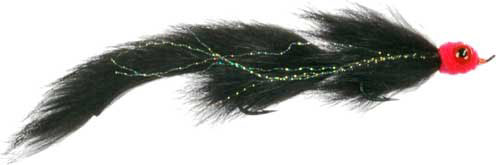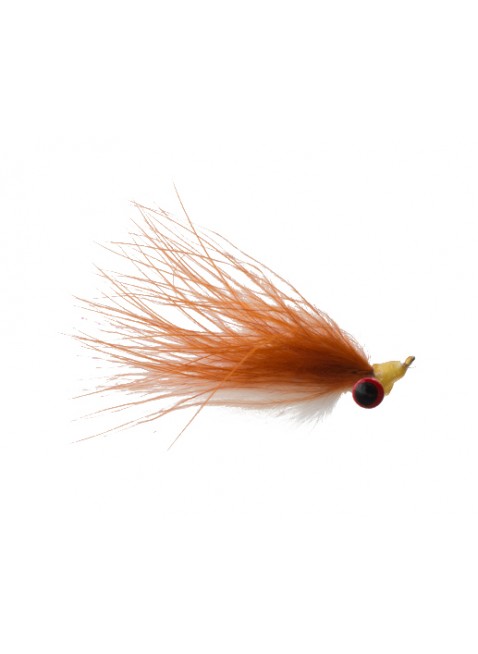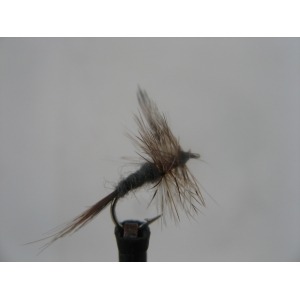
Jig flies have exploded in popularity for bass fishing. Their unique profile and action make them irresistible to both largemouth and smallmouth bass. Here's everything you need to know.
Why Jig Flies Work for Bass
Jig flies combine a weighted head with a flowing tail, creating a presentation that mimics crawfish, baitfish, and leeches — all primary bass food sources. The vertical jigging motion triggers aggressive strikes.
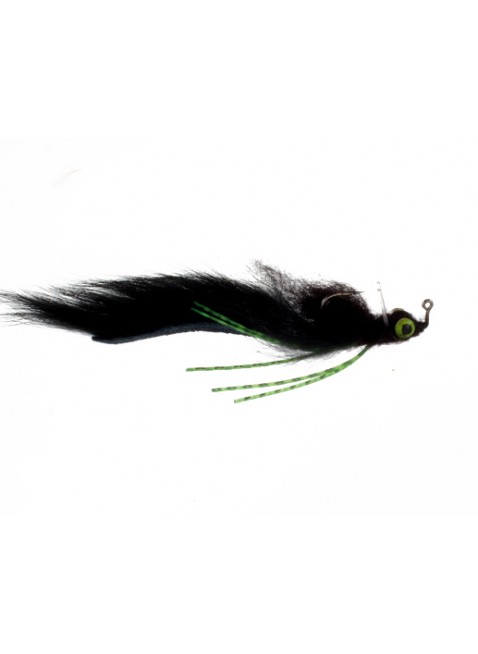
Step 1: Choose Your Jig Pattern
Different jig patterns work in different conditions:
- Crawfish jigs — Best near rocky bottoms and structure
- Baitfish jigs — Perfect for open water and schooling bass
- Leech jigs — Deadly in stillwater and slow-moving rivers
- Popper jigs — Surface action for explosive strikes
Step 2: Master the Retrieve
The key to jig fly fishing is the retrieve. Try these techniques:
- Jigging — Lift and drop with short pauses
- Swimming — Steady retrieve with occasional twitches
- Hopping — Bounce along the bottom like a crawfish
- Dead drifting — Let the current carry the fly naturally
Step 3: Gear Setup
Use a 6-8 weight rod with a sink-tip line for deeper presentations, or a floating line for surface work. A 9-foot tapered leader gets you started.
Ready to Try Jig Flies?
All our flies are hand-tied in Nairobi, Kenya using premium materials. All prices indicated are Wholesale per dozen available for tackle shops, dealers, wholesalers, fly shops, outfitters and individual fly fishing enthusiasts. Order now
Shop Bass JigsTop 5 Jig Patterns for Bass
- 90 Degree Jig — Versatile, works everywhere
- Crawfish Jig — Bottom bouncer that bass can't resist
- Muddler Jig — Great for surface action
- Clouser Jig — Weighted for deeper water
- Woolly Bugger Jig — Classic leech pattern on a jig hook
Jig flies are one of the most effective ways to target bass on the fly. Master the retrieve, match the pattern to the conditions, and you'll be landing trophy bass in no time.
Related Articles