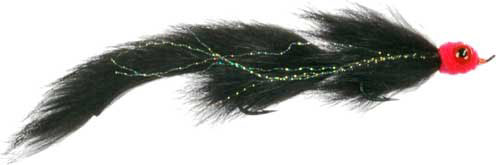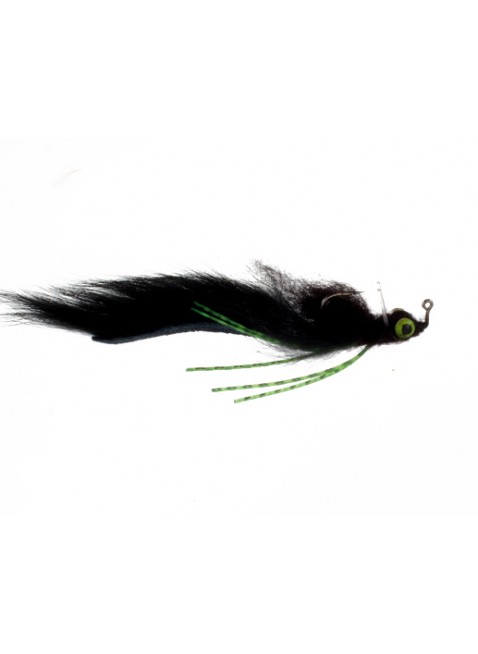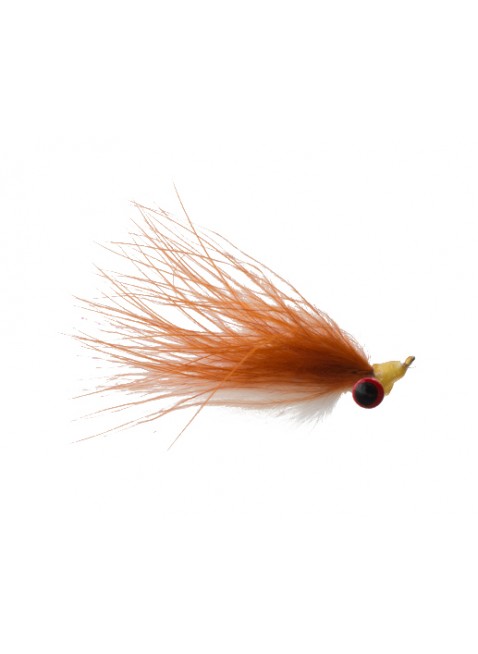
Lure flies are designed to trigger reaction strikes from aggressive fish like pike, bass, and large trout. Learn when and how to use lures for maximum effectiveness.
What Are Lure Flies?
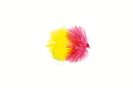
Lure flies mimic the action and appearance of conventional lures but are tied on fly hooks. They're typically larger, flashier, and designed for aggressive retrieves that provoke predatory fish to strike.
When to Use Lure Flies
- Aggressive fish — When predators are actively hunting
- Murky water — Flash and vibration help fish find the fly
- Cold water — Slow-sinking lures work well in winter
- Fast current — Weighted lures cut through the flow
Techniques for Different Species
Pike
Pike love big, flashy lures. Use a slow, steady retrieve with occasional pauses. The pause is often when the strike happens.
Bass
Bass respond to erratic retrieves. Strip fast, pause, strip again — imitating a wounded baitfish.
Large Trout
In stillwater, use sinking lines with lure flies to reach depth. In rivers, swing lures through pools and runs.
Ready to Try Lure Flies?
All our flies are hand-tied in Nairobi, Kenya using premium materials. All prices indicated are Wholesale per dozen available for tackle shops, dealers, wholesalers, fly shops, outfitters and individual fly fishing enthusiasts. Order now
Shop Lure FliesLeader Setup for Lures
Use a wire or heavy fluorocarbon leader when fishing for toothy predators like pike. For bass and trout, a standard 12-16lb fluorocarbon leader works well.
Retrieval Speeds
- Slow — For cold water or pressured fish
- Medium — The default for most situations
- Fast — For aggressive, actively feeding fish
- Stop-start — Mimics injured baitfish, triggers strikes
Lure flies open up a whole new world of fly fishing. They let you target the biggest, most aggressive fish in any water.
Related Articles